February 2026


Institutional Update
Happy February, everyone! In addition to hearts, flowers, and candy, this is also the season of the Utah Legislative Session. For those who couldn’t join our last town hall meeting, here are the college’s priorities:
- Performance funding. Snow College is eligible for $125,000 in ongoing degree-granting funds and $93,800 in tech ed funds. We are proposing public safety enhancements, student success retention tools, and help with tuition for students taking both degree and tech classes.
- Compensation for employees. A cost-of-living adjustment for state employees will be finalized and distributed at each institution’s discretion.
- Skills-based general education. This joint request with SLCC will help graduates develop and demonstrate durable skills through their general education program. No one does general education better than we do!
State revenues are flat, so our chances of getting extra funding are slim. I am very optimistic about performance funding and compensation. All state entities were asked to submit a 5% across-the-board reduction. We won’t know if the reduction will be mandated until the end of the session, but we are hopeful that we’ll get a much smaller reduction or no reduction at all. Legislative leadership in both the House and Senate have been vocal in sharing the benefits and accomplishments of Utah’s higher education this session. President Adams recognized our own Chad Avery and Hailey Rippstein for their groundbreaking apprenticeship work with ACT Aerospace and local high school students.
When I visit with legislators, they often tell me how much they appreciate — and truly love — what Snow is doing. They hear from family and friends across the state about our academic excellence, individualized attention, unbeatable social experiences, and the confidence our students gain. That reputation exists 100% because of our faculty and staff. You genuinely care! Thank you for proving every day that There’s No Place Like Snow.
Stacee

Academic Affairs
The Snow College Behavioral Sciences Department has been hard at work developing a new Behavioral Health Technician (BHT) certificate program. This program offers an important opportunity for students, mental health service providers, schools, local businesses, and individuals throughout rural Utah. The Behavioral Health Technician credential is a state-recognized, one-year certification currently offered by only a small number of institutions in Utah. Snow’s certificate was recently approved by the Board of Trustees and is going to college accreditors next. If Northwest approves the program, it will begin in the fall.
The program is intentionally designed to meet the diverse needs of rural communities. Graduates will be prepared to work in a variety of settings, including clinical environments, educational programs, juvenile justice systems, and group or leadership roles within community and business organizations. Coursework emphasizes practical, hands-on learning, and all students will complete an internship experience to build real-world skills and professional connections.
If the program is approved, Snow College would eventually expand access to this program, offering BHT certification courses through evening Interactive Video Broadcast along with select online options, making the program more accessible to non-traditional students who wish to work or serve in their local communities.
BHT positions across Utah offer strong employment opportunities, with starting wages typically above $20 per hour. Having received grant funding, Snow College is also hiring a full-time faculty member to teach courses and oversee program administration and internships.
Finance and Administrative Services
Snow College Risk Management and Title IX Office: Leadership in Action
The Risk Management and Title IX Office at Snow College plays a vital role in fostering a campus that is safe, respectful, and compliant. This office works diligently to protect the rights of students and employees while helping the institution navigate complex regulatory and risk-related matters with clarity and care.
The importance of this work cannot be overstated. From addressing concerns promptly and fairly to providing ongoing education and training, the team helps foster a campus culture grounded in accountability, prevention, and respect. Their proactive approach not only reduces institutional risk but also creates an environment where individuals can learn and work with confidence.
I have been especially impressed by how proactive the office is in anticipating potential issues before they escalate. Recently, I was kept informed about a risk-related matter and guided through important steps to address it appropriately. That communication and direction provided real peace of mind and reinforced how essential this office’s work is to the daily operations of the College.
The office is led by Staci Taylor, Title IX Coordinator and Risk Manager, whose expertise is recognized across the State of Utah, and it is clear why. She approaches complex Title IX and risk management matters with confidence, clarity, and a steady hand. She is supported by a dedicated team, including Zachary McEntire, Deputy Title IX Coordinator and Deputy Risk Manager, and Brent Dickie, Civil Rights Investigator. Together, they work behind the scenes to uphold Snow College’s commitment to fairness, safety, and compliance. Snow College is fortunate to have such a capable and committed team serving our campus community.

Student Affairs and Enrollment Management
The Snow College Counseling and Wellness Center plays a vital role in supporting our shared academic mission—helping students succeed in their studies and in life. Through education, prevention, and direct support, the Counseling Center promotes students’ emotional, physical, and mental well-being while fostering a safe and welcoming environment for all.
Our work is grounded in collaboration. The Counseling and Wellness Center coordinates closely with campus offices and departments, recognizing that faculty and staff are often the first to notice when a student may be struggling. If you have concerns about a particular student, you are encouraged to contact our office directly and to submit a report to the CARe (Care, Assessment, Response, and Evaluation) Team. This process helps ensure students receive timely, coordinated support.
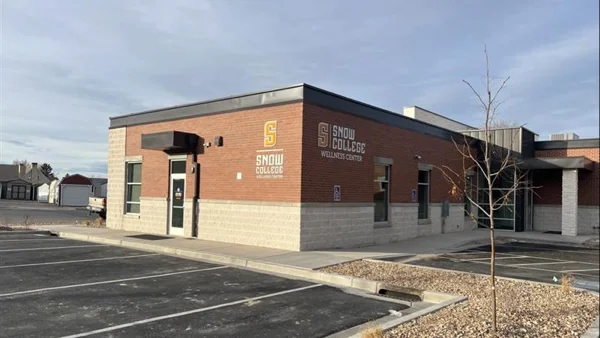
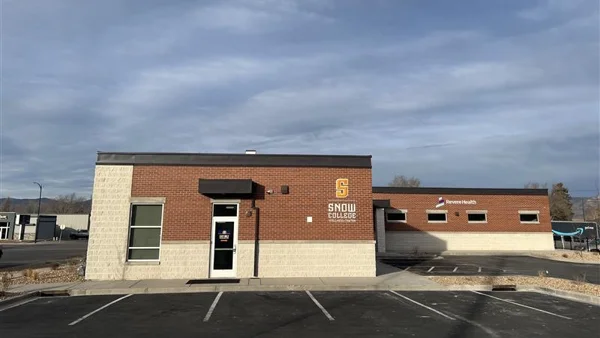
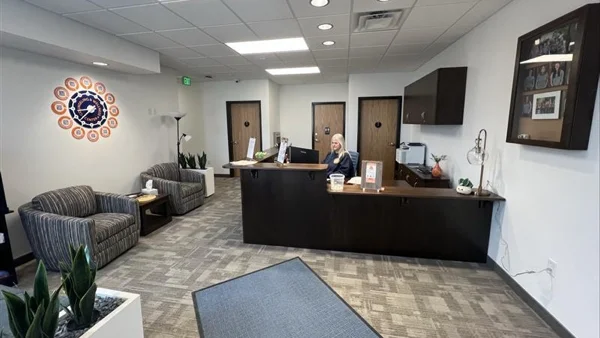
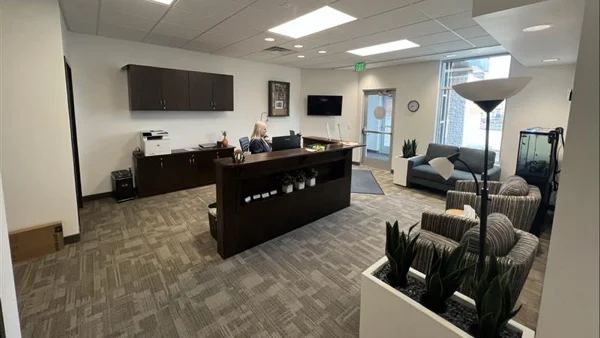
We are also pleased to share that the Counseling and Wellness Center has recently relocated to the Revere Wellness Center, located at 191 S Main, Ephraim, Utah, next to the Snow College Business Building. This new space enhances accessibility and visibility for students seeking services. To celebrate, the center will host an open house on February 25 from 11:30 a.m. to 1:30 p.m., and the campus community is invited to stop by, tour the new space, and learn more about available resources.
In addition, Rachelle Holbrook is available to partner with faculty by providing in-class presentations on prevention-focused topics, including suicide prevention, substance use, and protective factors such as sleep, nutrition, and overall wellness.
Thank you for your continued partnership in supporting the success and well-being of Snow College students.
Technical Education and Industry Connections
The Ralph Okerlund School of Technical Education entered uncharted waters this semester as it launched the new organizational structure designed to better serve students and industry partners. Early in the transition, the change felt to some like casting off from the dock into uncertain seas. In recent weeks, however, apprehension has given way to excitement.

The hardest part is leaving the dock. Not because of the challenges but because of the comfort, the routines. Once the lines are cast off, something shifts. You stop thinking about what could go wrong and start remembering why you sail in the fist place. Fear stays on the dock. Freedom goes with you.
As the reorganization has taken shape, technical faculty are refocusing on the core mission of technical education—teaching relevant, hands-on skills that lead directly to workforce success. With renewed clarity, instructors are looking ahead, reimagining what is possible and laying the groundwork for future growth.
One of those successes has been nearly two years in the making. This semester marks the launch of a new model for remote student skill assessment, developed through strong industry partnerships and designed to support incumbent workers enrolled in distance-based technical programs. For the first time, students can complete required assessment pass-offs remotely through on-site visits.
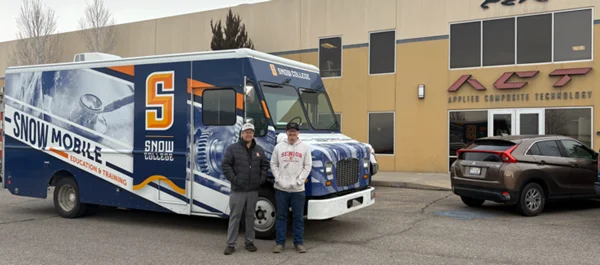
Central to this effort is the Snowmobile and instructor Mike Rowley, who are now regularly scheduled to travel to industry and high school locations. These visits provide remote students with hands-on assessment opportunities, ensuring skill mastery while removing barriers related to distance. This milestone represents a significant step forward in expanding access to high-quality technical education and aligning instruction more closely with workforce needs.
Who's New?
We welcome the following individuals to our Snow College family:
| Sam Jorgensen | Custodian |
| Heather Rowley | Administrative Assistant – Division of Mathematics & Sciences |
| Michael Francis | Visiting Professor of Theatre of Scenic Design |
| Ari Jamieson | Visiting Professor of Theatre, Interim Technical Director |
| James Dye | Assistant Football Coach/Head JV |
| Lewis Wilson | Interim Men’s Head Soccer Coach |
| Amgad Elgohary | Director of Libraries |
By The Numbers
Office of Analytics and Institutional Research (AIR)
This contribution from the Office of Analytics and Institutional Research (AIR) is part of a series about understanding the data from the Integrated Postsecondary Education Data system (IPEDS). This contribution focuses on the Student Financial Aid report.
Report Name: Student Financial Aid
- What is the primary purpose of this report? To describe the number of students receiving financial aid as well as the average amounts of aid awarded.
- Which students are included in the data? First-time, full-time, degree/certificate-seeking students who were enrolled in the fall term of the prior academic year.
- When is the report due? Every February
- What is the timeframe for the data reported? The data for each year’s report represents the financial aid information from the most recently completed fiscal year (e.g., data for the 2024-2025 fiscal year is reported in February 2026).
- Is there anything else I should know?
- Financial aid types include Title IV aid, federal grants, federal scholarships, federal work studies, federal loans, state/local grants, state/local scholarships, institutional grants, institutional scholarships, institutional loans, private grants, private scholarships, private loans, Post-9/11 GI Bill benefits, and the Department of Defense Military Tuition Assistance program.
- The report describes the number of students awarded aid as well as the total aid amounts for each type of aid.
As an overview of the most recent Student Financial Aid report from Snow College that is available to the public, the IPEDS website highlights the information included in the screenshot below:
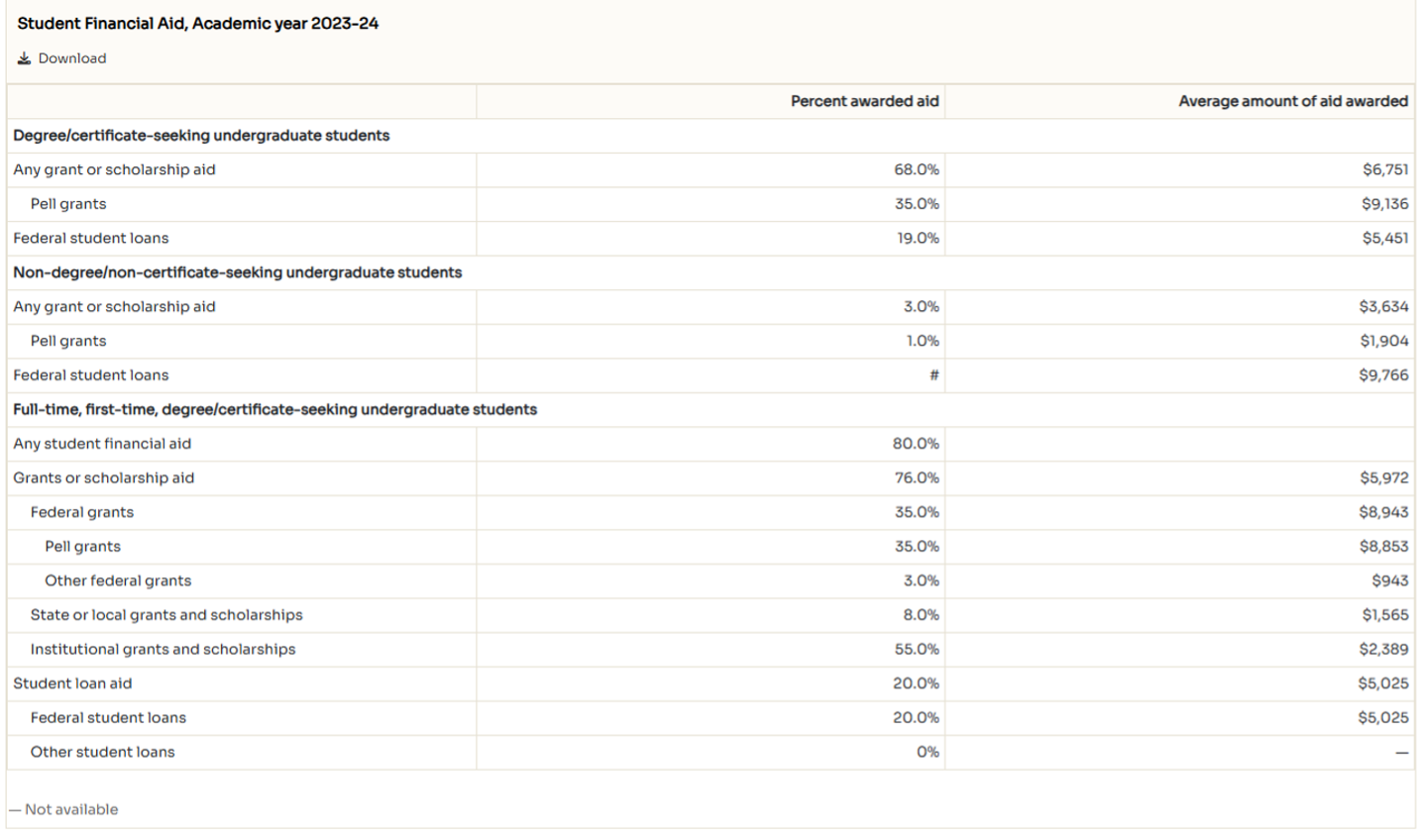
This and more can be found at the Snow College profile on the IPEDS website.
Thank you for all the work you do to maintain and use Snow College data to improve our services for our students and employees. As always, we encourage you to reach out to us in AIR to share any questions, concerns, or ideas you have about the data at Snow College.
Richfield Update
Snow College Partners with Sevier Valley Industry to Shape Workforce Solutions
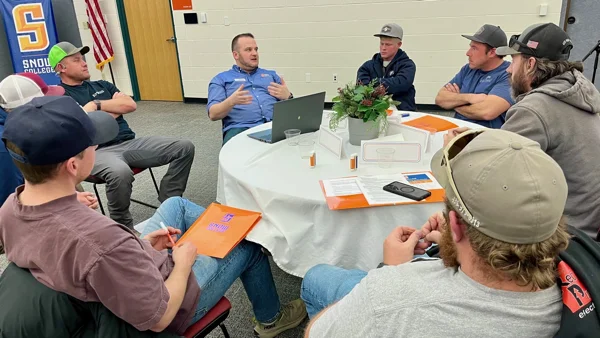
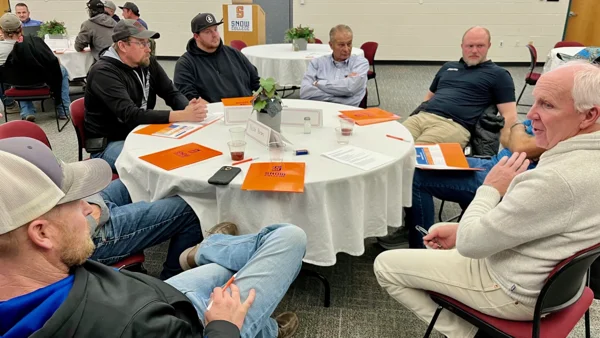
Snow College recently hosted construction industry leaders at the Richfield Campus for a vital workforce development conversation. Encouraged by a Sevier Valley industry leader, business owners and managers from 15 construction, heating, ventilation, and air conditioning (HVAC), and electrical companies shared their hiring and training needs.
Key priorities emerged from discussions facilitated by Vice President Jay Olsen, Continuing Ed. Coordinator Kenley Steck, and Instructor, Easton Newman: competency-based education aligned with industry standards, flexible hybrid course delivery, "learn while you earn" opportunities for working employees, and durable skills development.
This collaboration demonstrates Snow College's commitment to responsive education that serves both students and regional employers. By bringing together industry expertise and educational innovation, we're addressing critical skill gaps while supporting Sevier Valley's economic growth. Although the construction and electrical apprenticeship programs are not currently offered in Richfield, the insights gathered will directly inform possible program development and delivery methods for the area, ensuring our graduates meet industry demands while creating pathways for career advancement within our community.